When I was writing the latest Yankee Doodle Spies novel, The South Spy, I wondered how to handle this edition’s subject. To me, John Laurens is such a heroic figure that I was tempted to make him a major historical character. I decided against it because someone so substantive would require more than I could present in a work like this. Others, such as the legendary Francis Marion, also fell into this category. Face it, the South has plenty of colorful people in its history. So here is my humble attempt to give this impressive First Patriot his due.

A Charleston Heir Answers the Call
Born October 28, 1754, into one of South Carolina’s wealthiest planter families, John Laurens grew up amid rice fields and the Atlantic slave trade that enriched his father, fellow patriot and future President of the Continental Congress, Henry Laurens. His family traced its roots to French Protestant (Huguenot) refugees who fled religious persecution in France.
His great-grandfather, André (or Andre) Laurens, left France in the late 17th century (around the time of, or just before, the 1685 revocation of the Edict of Nantes), settled first in New York, and later moved to Charleston, South Carolina. The family intermarried with other Huguenot refugees (such as the Grassets), and by the time of John’s father, Henry Laurens, they were well established in South Carolina society.
Educated in Geneva and London, the younger Laurens embraced Enlightenment ideals of liberty even as revolution erupted at home. In 1776, John married Martha Manning in London while she was pregnant with their daughter, Frances. He left England in December 1776 to return to America, never to see his wife again or to meet his daughter.

In August 1777, Laurens joined George Washington’s staff as an unpaid volunteer aide-de-camp, where he became close friends with fellow- intellect, Alexander Hamilton. In the following year of campaigning, young Laurens earned a reputation for reckless courage at Brandywine, Germantown, and Monmouth.
A Radical Vision for Southern Arms
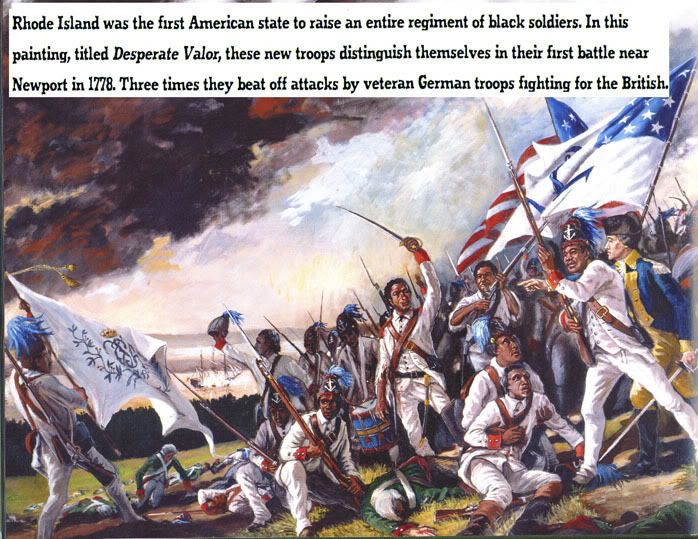
When the British turned their full weight southward, Laurens returned to defend his native state. Before leaving Philadelphia, he proposed a bold solution to the Continental Army’s manpower crisis: raise battalions of enslaved men, promise them freedom for faithful service, and strike at both the enemy and slavery.

In response to this “Black Battalion Proposal,” Congress passed a resolution in March 1779 that encouraged South Carolina and Georgia to raise 3,000 enslaved men, promising freedom in exchange for service. Congress appointed Laurens lieutenant colonel to lead the effort, but the South Carolina legislature rejected the proposal in 1779 and again at Jacksonborough in early 1782.
Undeterred, Laurens took to the battlefield—suffering a wound at Coosawhatchie and leading infantry in the bloodbath at Savannah—while continuing to demand freedom for Black soldiers.
Charleston Falls, a Patriot Captured
By spring 1780, the conflict in the South had reached a crisis. British troops under Sir Henry Clinton trapped the American garrison during the Siege of Charleston. Laurens fought stubbornly alongside the defenders until the city surrendered on May 12, 1780. The British Southern Strategy was at its apogee. Captured in the war's largest American defeat, he was paroled to Pennsylvania. Rather than breaking his spirit, the fall of his hometown hardened his resolve. Upon his official exchange as a prisoner in November 1780, he immediately sought new ways to strike back. He soon found one.

Diplomat Across the Atlantic
Recognizing his intellect and fiery passion, Congress appointed the 26-year-old officer as special minister to France in December 1780. Arriving in Paris in March 1781, Laurens bypassed tedious court etiquette to appeal directly to King Louis XVI and French ministers such as Comte de Vergennes. His relentless diplomacy secured vital loans, military hardware, and a critical French naval commitment. These resources made possible the strategic trap at Yorktown later that year. Mission accomplished, Laurens immediately set sail back across the Atlantic, determined not to miss the coming showdown.
.jpg)
Glory at Yorktown, Then South Again
At the Siege of Yorktown in October 1781, Laurens charged alongside Hamilton in the dramatic nighttime bayonet assault on Redoubt Number 10. After the victory, Washington appointed Laurens to negotiate the British surrender terms—a poetic moment of justice for an officer who had endured the indignity of capture at Charleston. Yet even as the northern theater was secured, Laurens refused to rest. He raced back to South Carolina to join General Nathanael Greene, taking command of light infantry units and directing crucial intelligence operations.

Storming Redoubt Number 10
Eyes and Ears in the Lowcountry
Throughout late 1781 and early 1782, Laurens ran a clandestine spy network in British-occupied Charleston, funneling reports on enemy troop movements, supply raids, and evacuation preparations to Greene’s headquarters. He balanced these dangerous covert duties with a final, desperate attempt to persuade the South Carolina legislature at Jacksonborough to approve his Black regiments—only to be rejected again. Though thwarted in this attempt to secure justice, Laurens remained a formidable field commander in the Lowcountry’s grinding guerrilla war.

Final Charge on the Combahee
On August 27, 1782, while bedridden with a severe fever, Laurens learned that a British foraging force had landed along the Combahee River. Rising from his sickbed, he rode hard to join Brigadier General Mordecai Gist and volunteered to lead a small detachment to block the enemy's retreat at Tar Bluff. Marching into a British ambush, Laurens refused to retreat or wait for support. He ordered a charge and was mortally wounded, making him one of the last high-ranking casualties of the Revolutionary War.

Legacy of Unambiguous Morality
Though cut down before he could see the nation he fought to build reach full dawn, John Laurens left an enduring legacy as one of the American Revolution’s most fearless and uncompromising visionaries. His relentless pursuit of liberty—not just from British rule but from the bonds of human slavery—marked him as a patriot whose moral conviction matched his legendary courage. General George Washington said it best when he later lamented that Laurens’s only fault was "an intrepidity bordering on rashness," driven by the purest motives of duty and freedom.