
To paraphrase the most interesting man in the world... I don't usually do book reviews on the Yankee Doodle Spies blog. Still, when I do, it's about a great book that highlights the importance of the American Revolution from a military intelligence perspective. This new book definitely made the list.
Kenneth Daigler spent his career as a CIA officer, where he learned the craft of espionage firsthand. In his latest book, Spies, Patriots, and Traitors, he reveals some of the nation's darkest espionage secrets. But they are secrets that have puzzled historians for over 200 years: secrets of the American Revolution. There have been a few books on this subject in recent decades, but none have the breadth and scope of this one. And none are as well documented and well written. Daigler covers a wide range of espionage activities and presents the big picture while diving deep into areas that are sure to fascinate the reader. He starts at the beginning—showing that even the political unrest that led to armed rebellion had an intelligence component. In a sense, he depicts a nation born of secrecy and covert activities.
A Case Officer's Perspective on the Two Big Cases
One of the many things that sets this work apart from others of its kind is the author's personal experience in the espionage trade. He draws on that to analyze numerous cases and explains the timeless aspects of espionage: planning, security, and communications. He shows that the absence of these three elements led to two failures—one for us and one for the British.
Interestingly, these are the most famous espionage cases of the war: Nathan Hale and Benedict Arnold. In the case of Hale, the entire operational cycle was as ineffective as it could be. The author notes that Hale was inherently unqualified for the mission, which was poorly defined. Unsurprisingly, it failed on all fronts and ended in disaster.
Daigler also points out that, despite some operational shortcomings, Arnold's case could have succeeded. However, Arnold's personal traits—ego, greed, arrogance—caused him to pressure his former handler, the inexperienced Major John Andre, into making a series of mistakes that eventually cost the British the operation and Andre his life.

Benedict Arnold
Lesser-Known Spies
Daigler explores lesser-known cases with just as much enthusiasm: the establishment (or lack thereof) of counterintelligence under John Jay; Nathaniel Greene's skilled use of intelligence to secure victory in the southern campaign; the "secret war" in Europe; and Washington's efforts to employ intelligence, counterintelligence, and deception to surprise the British at Yorktown. The author also offers a perspective on the Culper Ring that differs from other accounts, highlighting that it was just one of many agencies Washington relied on—albeit a crucial one.
Daigler details the activities of Benjamin Tallmadge—not only with his Culper Ring but also in other roles he served for Washington. The book recounts the daring exploits of the little-known John Honeyman, who spied on the Hessians during the darkest days just before the surprise attack on Trenton. Another noteworthy part of the book is his discussion of the plot against Washington and the British effort to destabilize the American economy through counterfeiting Continental dollars.

Benjamin Tallmadge
Other Pluses
 |
| James Armistead |
The book is full of engaging illustrations of both well-known and lesser-known figures in the intelligence world. The author has also created a timeline of espionage during the American Revolution and, most helpfully for the layperson, a Glossary of Tradecraft Terms. He offers a powerful look at the struggles of African Americans, many of whom were slaves used by both sides.
Ultimately, neither side treated them very well for their service, although there are some notable exceptions. The story of the African slaves is best exemplified by James Armistead, owned by a Virginia planter, who infiltrated British lines during the Yorktown campaign.
His bravery and resourcefulness provided critical intelligence while under the noses of the British. He also discusses the role of counterintelligence, the British approach to espionage, and, of course, George Washington’s role as the Case Officer in Chief (my words).
Did intelligence win the war for American independence?
The author concludes with a discussion of that topic. One must conclude that intelligence played a crucial role in America's survival during the early years of the war and its ultimate victory. This does not mean that British intelligence was lacking. They had excellent worldwide coverage of American interests, and their Loyalist allies provided ready-made pools of agents, some already organized into cells. However, their leadership failed to capitalize on the opportunity. In contrast, George Washington clearly developed, over the course of an eight-year war, the ability to use intelligence and counterintelligence more effectively than the British high command. And that made all the difference.
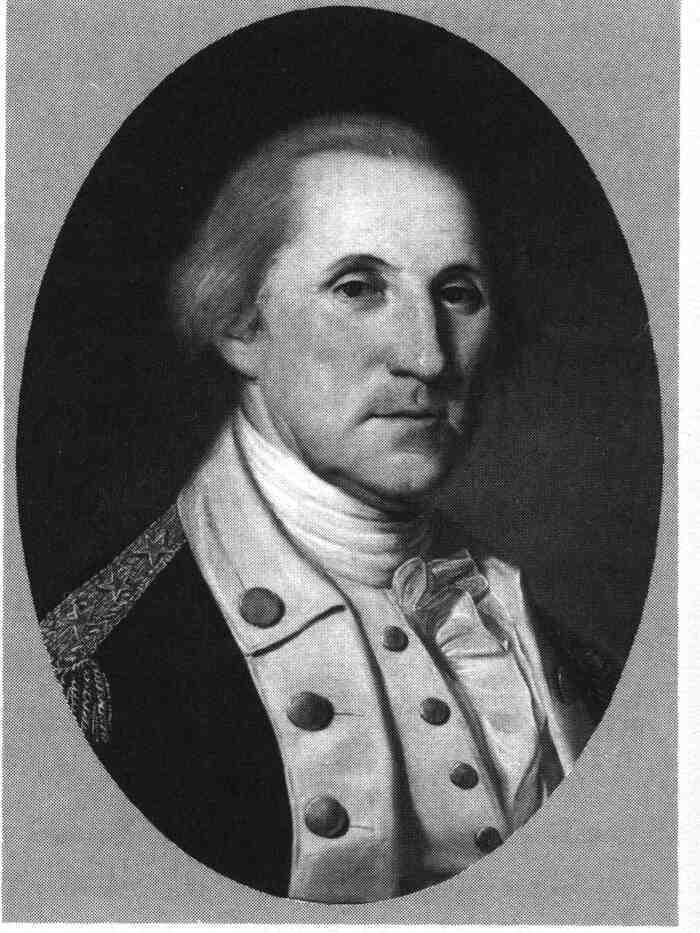 |
| George Washington, the Spymaster |
I wish I had this book when I first started writing the Yankee Doodle Spies novels several years ago. Now that it’s available, it serves as an excellent non-fiction companion for those reading the series. You'll find many of the events and characters depicted through the fictional persons and actions in the Yankee Doodle Spies series, along with numerous historical figures and events as well.
I give this very excellent work, Four Tricorne Hats!


